
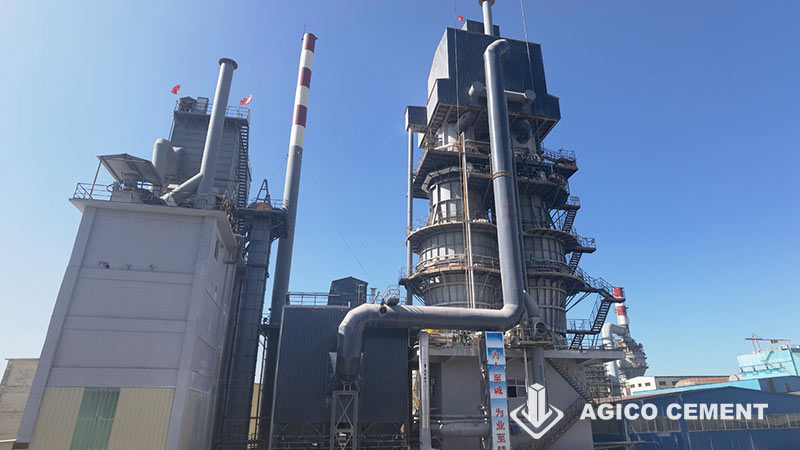
The price of a lime shaft kiln depends on its production capacity, design, fuel type, and scope of supply. Indicative market prices range from approximately hundreds of thousands to millions of US dollars. However, purchasing a kiln and building a complete lime calcination plant require different budgets. When evaluating a project, you need to consider not only the equipment price but also civil works, installation, and ongoing operating costs. In the following sections, we will explore indicative pricing, investment breakdowns, and the factors that influence costs to help you plan your procurement budget.
The Price of A Lime Shaft Kiln
Lime shaft kilns are typically configured to meet specific production requirements, so there is no single price that applies to every project. Capacity and configuration can provide a starting point for estimating costs, but a final quotation must be based on a clearly defined technical proposal.
| Production Capacity | Kiln Type/Configuration | Indicative Price |
| Small-scale | Based on raw materials and fuel type | Over US$300,000 |
| Medium-scale | Based on process and automation requirements | Over US$900,000 |
| Large-scale | Based on the complete production line design | Over US$3 million |
These prices are for reference only and do not represent actual transaction prices. When using a price table, specify the exact production capacity, currency, and whether freight, taxes, refractory materials, and installation are included. Quotations from different suppliers are comparable only when they cover the same scope of supply.
What Is Included in the Total Investment?
Kiln & Auxiliary Systems: These primarily include the kiln body, refractory materials, feeding and discharge equipment, and fuel supply, air supply, dust collection, and control systems. Depending on the project scope, limestone screening, conveying, and finished product storage equipment may also be included.
Civil Works & Installation: The budget should cover equipment foundations, steel structures, on-site lifting operations, electrical wiring, and commissioning. If the site’s power supply or other utilities do not meet project requirements, additional infrastructure costs will also need to be considered.
Delivery & Other Project Expenses: In addition to transportation and insurance, import-related costs should be verified for international purchases. Engineering design, operator training, initial spare parts, and a contingency allowance should also be included in the total investment.
Key Factors That Affect Lime Shaft Kiln Cost
Production Capacity: Production capacity affects kiln dimensions and the specifications of auxiliary equipment. Higher capacity generally requires a larger total investment, but investment per unit of capacity does not necessarily increase proportionally. Capacity selection should align with market demand to avoid prolonged operation at low utilization rates.
Kiln Technology & Design: Different types of shaft kilns vary in structure, combustion methods, and control requirements. When comparing quotations, confirm the specific kiln type and design conditions rather than judging prices solely by the equipment name.
Fuel Type & Raw Material Conditions: Fuel type affects the configuration of combustion, storage, and handling systems. Limestone particle size, composition, and moisture content also influence process design, so suppliers need to develop proposals based on the actual raw material and fuel conditions.
Lime Quality & Automation Requirements: Requirements for finished lime reactivity, residual carbon dioxide content, and other quality parameters influence process and equipment selection. Automated monitoring and control features also affect the initial investment and should be selected to suit production management and operational needs.
Project Location & Environmental Requirements: Local labor costs, construction conditions, and transportation distances all affect project costs. Emission requirements determine the configuration of dust collection and other environmental protection systems and should be clearly defined during budgeting.
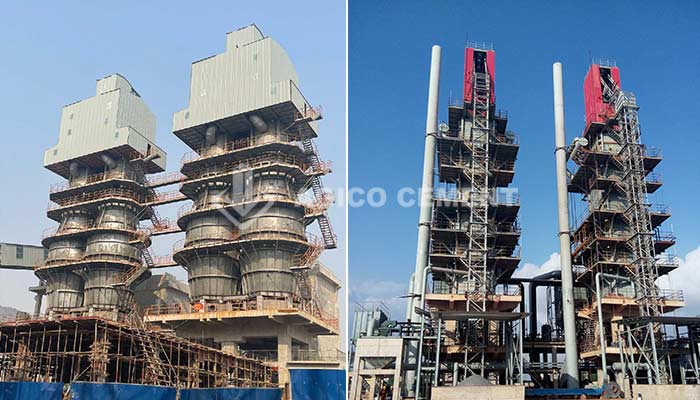
How Much Does It Cost to Operate a Lime Shaft Kiln?
Operating costs primarily include limestone, fuel, electricity, labor, maintenance, spare parts, refractory materials, and the operation of environmental protection systems. The operating cost per tonne of lime can be estimated as follows:
Operating cost per tonne of lime = Total operating costs during the reporting period ÷ Quantity of finished lime meeting quality specifications produced during the same period
The calculation should account for local energy prices, raw material conditions, equipment consumption rates, and capacity utilization, with an appropriate allowance for periodic maintenance and overhauls.
When comparing different options, verify the production conditions underlying the energy consumption figures. Unit cost figures cannot be applied directly when raw materials, fuels, or product quality requirements differ.
How to Get an Accurate Lime Shaft Kiln Quotation?
The more complete your inquiry details, the easier it is for suppliers to provide a useful proposal. We recommend preparing the following:
After receiving a quotation, ask the supplier to clearly specify the equipment list, scope of supply and exclusions, conditions under which performance commitments apply, delivery lead time, and after-sales service. This helps reduce uncertainty about potential additional costs.
Frequently Asked Questions
Q: Is a Lime Shaft Kiln Cheaper Than a Rotary Kiln?
A: The comparison depends on production capacity, raw material flexibility, product requirements, and auxiliary systems. Both the initial investment and operating costs should be evaluated; neither kiln type is inherently cheaper in every situation.
Q: Does the Kiln Price Include Installation and Refractory Materials?
A: This depends on the scope of supply. Refractory materials, refractory lining installation, and equipment installation may be quoted separately. Confirm each item in the quotation and contract.
Q: How Can I Reduce the Total Cost of a Lime Shaft Kiln Project?
A: Select a capacity that matches your production needs, make use of existing facilities, and compare energy consumption, maintenance requirements, and equipment service life. The purchase price is only one factor in assessing the project’s economic viability.
Conclusion
The cost of a lime shaft kiln depends on equipment configuration, scope of supply, site conditions, and production requirements. A sound purchasing decision requires consideration of both the initial investment and long-term operating costs. Providing your target production capacity, available fuels, and project location helps suppliers develop a suitable equipment proposal and a detailed quotation.
